
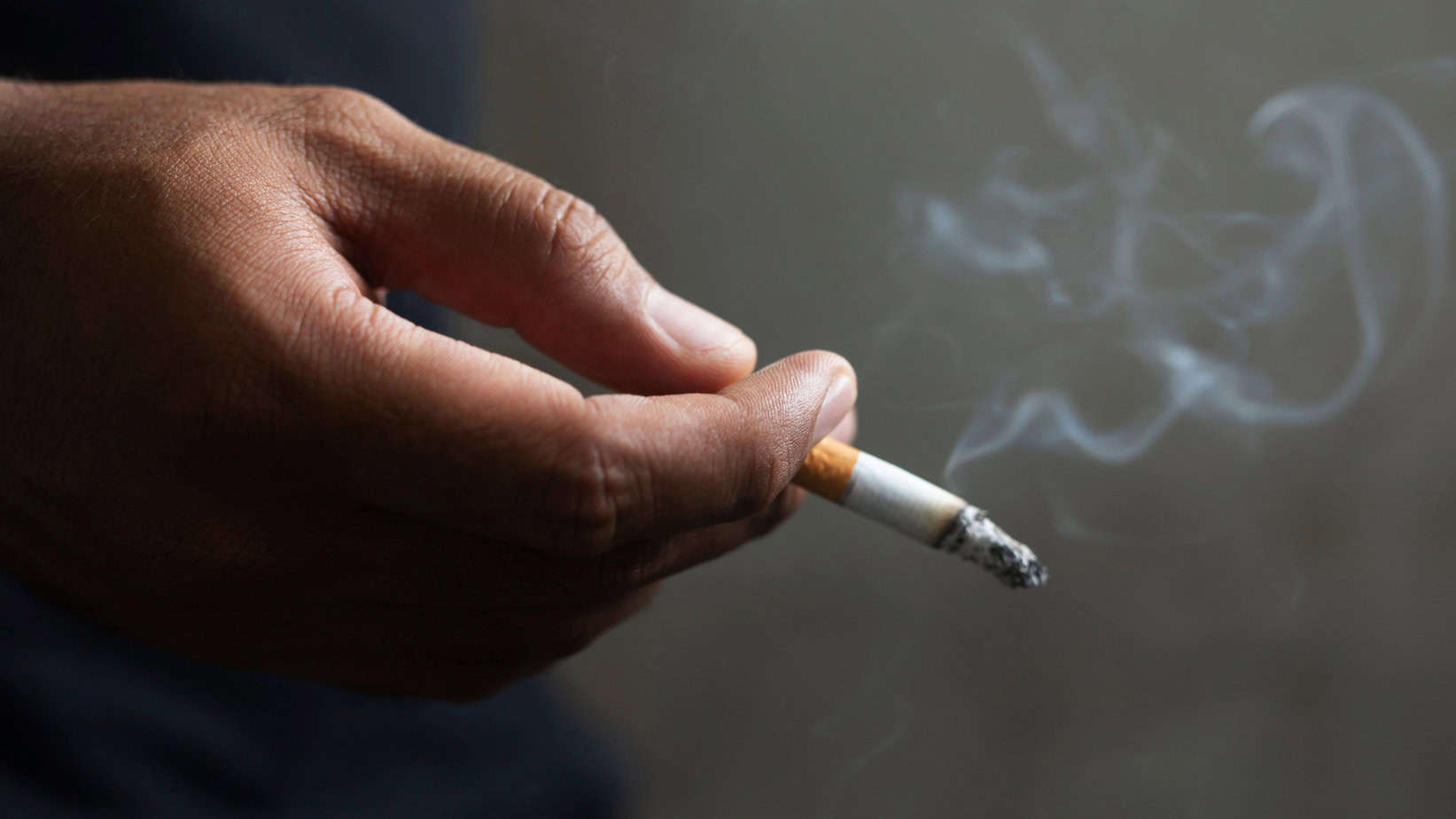
Buying a home is an exciting milestone, but if the previous owner was a smoker, you may be dealing with the lingering effects of cigarette smoke. The odor can be overwhelming, and the smoke residue clings to walls, ceilings, carpets, and even inside the HVAC system. The good news? With the right approach, you can remove the smell and clean your home for a fresh start. Here’s how:
What If You Notice the Smoke Smell Before Making an Offer?
If you detect smoke odors during a home tour or inspection, you may have some negotiation power before finalizing your purchase. You can request that the seller take measures to eliminate the smell before closing, such as professional deep cleaning, repainting with odor-blocking primer, or even duct cleaning. Be sure to include these requests in your contract negotiations to ensure the issue is addressed before you move in.
Understanding the Impact of Cigarette Smoke in Your Home
Cigarette smoke contains thousands of chemicals that not only produce a strong odor but also leave behind a sticky, yellowish residue called thirdhand smoke. This residue can be harmful to your health, especially for children, pets, and those with respiratory conditions. It embeds itself in soft surfaces, clogs up air vents, and seeps into walls, making thorough cleaning essential.
How to Get Rid of Smoke Odor and Residue
1. Start with Fresh Air
Before tackling deep cleaning, open all windows and doors to allow fresh air to circulate. Running fans can help push out the stale smoke smell. Air purifiers with HEPA and activated carbon filters can also assist in reducing airborne smoke particles.
2. Deep Clean Walls, Ceilings, and Hard Surfaces
Smoke residue sticks to hard surfaces, so thorough cleaning is necessary:
- Wash walls and ceilings with a mixture ofhot water, vinegar, and baking sodaor a commercial degreaser.
- UseTSP (trisodium phosphate) cleanerfor stubborn stains.
- Repaint walls withodor-blocking primerbefore applying fresh paint to seal in any remaining smell.
3. Address Soft Surfaces: Carpets, Curtains, and Upholstery
Fabric absorbs smoke like a sponge. Here’s how to refresh these areas:
- Steam clean carpetsor replace themandthe padding if the smell persists.
- Wash or replace curtains and drapes.
- Use baking soda on upholstery—sprinkle, let sit, and vacuum thoroughly.
4. Cleaning Your Vents and HVAC System
One of the biggest challenges is removing smoke from yourheating and air conditioning system. If the home’s HVAC system circulated smoke for years, it can continue spreading the smell.
- Replace all air filtersimmediately.
- Have the ductwork professionally cleanedto remove lingering particles.
- Clean or replace air vents and registers.
- Install activated carbon air filtersto help absorb any residual odors.
5. Wash Windows, Light Fixtures, and Ceiling Fans
Smoke leaves a greasy film on glass and plastic surfaces. Clean windows and mirrors withvinegar and waterto eliminate buildup. Wipe down ceiling fans and light fixtures, as they can trap smoke residue and recirculate odors.
6. Deodorize with Natural Methods
Once deep cleaning is complete, use natural odor absorbers to maintain freshness:
- Bowls of vinegar or activated charcoalin rooms can help neutralize odors.
- Baking soda sprinkled on carpets and furnitureabsorbs lingering smells.
- Essential oils like citrus or eucalyptusin diffusers can improve air quality.
Removing smoke odor from a home takes effort, but it’s possible with the right cleaning techniques. If the smell persists despite your best efforts, professional ozone treatments or thermal fogging may be necessary.
Looking to sell your home without dealing with overwhelming smoke odor? Mr. Lister Realty can help! Whether you’re buying, selling, or just need expert advice, we’re here to guide you.Visit MrListerRealty.com today!
