
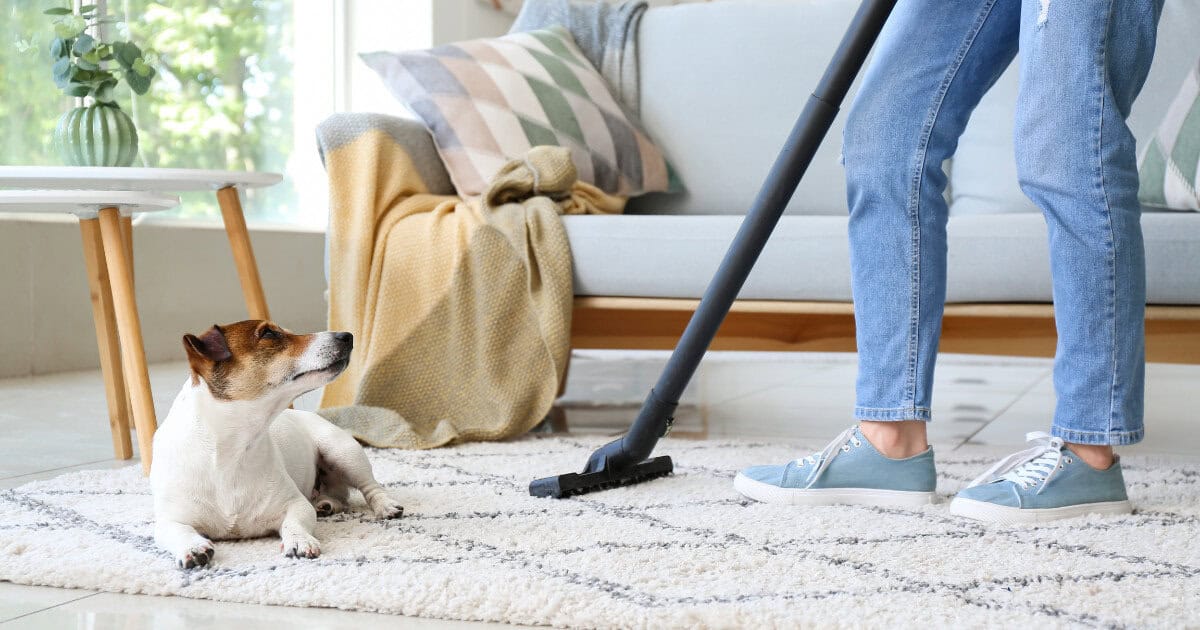
Selling a home with pets comes with a few extra items on the to-do list. We love our animals,
but buyers walking through your home may have allergies, fears, sensitivities to smells, or
simply a different tolerance for pet hair than you do.
The goal isn’t to pretend a pet has never set paw inside your house. It’s simply to make the
home feel clean, well cared for, and easy for any buyer to picture as their own. That usually
means a little extra cleaning, repairing obvious pet damage, and making arrangements for your
pets during showings and inspections.
Key Takeaways
- Deep-clean pet areas — Pay special attention to hair, odors, litter boxes, cages, carpets, upholstery, and places your pet sleeps.
- Repair visible pet damage — Scratched doors, chewed trim, stained flooring, torn screens, and damaged landscaping can make buyers wonder what else needs attention.
- Remove pets during appointments — Whenever possible, take pets out of the house for showings, open houses, inspections, appraisals, photography, and other appointments.
- Make a pet plan early — Knowing where your pet can go on short notice makes the entire selling process easier for both you and your animal.
Selling a Home With Pets Starts With the Sniff Test
One of the hardest things about pet odors is that when you live with them every day, you may
not notice them anymore. Before your home goes on the market, ask someone you trust to walk
through and give you an honest opinion.
Pay particular attention to:
- Carpets and area rugs
- Upholstered furniture
- Pet beds and blankets
- Litter box areas
- Crates and cages
- Baseboards and lower walls
- Curtains and fabric window treatments
- HVAC filters and return vents
Wash anything washable, vacuum thoroughly, replace the HVAC filter if needed, and consider
having carpet professionally cleaned if odors or stains remain.
And be careful about trying to cover smells with strong candles or air fresheners. Trading “wet
dog” for “tropical vanilla cinnamon explosion” doesn’t necessarily solve the problem. Clean and
neutral is usually the better goal.
What Pet Damage Should You Repair Before Listing?
Fix the pet damage that is obvious, inexpensive to correct, or likely to make buyers question
how well the home has been maintained. Small repairs can make a surprisingly big difference in
the overall impression of the property.
Walk through your home at pet-eye level and look for things you’ve probably stopped noticing. Common trouble spots include:
- Scratches on doors and hardwood flooring
- Chewed baseboards, trim, or stair rails
- Damaged window screens
- Stains on carpet or flooring
- Claw marks around doors and windows
- Torn or damaged blinds
- Holes or worn areas in the yard
- Damaged fencing or gates
You don’t necessarily need to replace an entire hardwood floor because Fido left a few
scratches. But repairing obvious damage where practical helps buyers see a well-maintained
home rather than immediately starting a mental repair list.
Should You Remove Pet Supplies Before Showings?
You don’t need to erase every indication that you own a pet, but reducing the amount of pet
equipment on display can make rooms feel cleaner and less cluttered.
Before photos and showings, consider putting away food bowls, bags of food, toys, leashes,
grooming supplies, extra pet beds, and large crates when practical.
Litter boxes deserve special attention. Scoop them immediately before a showing and keep the
surrounding floor spotless. If the box can be moved to a discreet, well-ventilated location without
disrupting your cat’s routine too much, even better.
The same applies outside. Pick up the yard before every showing. Nobody wants a buyer’s
lasting memory of your house to involve the bottom of their shoe.
Should Pets Be Home During a Showing?
Whenever reasonably possible, no. Take your pets with you during showings rather than leaving
buyers and their agent responsible for navigating around them.
The National Association of REALTORS® includes taking pets with you on its seller showing
checklist, and there’s good reason for that. Even the friendliest dog may become nervous when
strangers walk into the house, and a normally shy cat may make a run for an open door.
Removing pets also helps buyers relax. Someone who is afraid of dogs isn’t going to spend
much time admiring your remodeled kitchen if they’re watching the dog instead.
A few options include taking your pet:
- For a walk or drive
- To a friend or family member’s home
- To daycare
- To a pet sitter
- With you while you run errands
If frequent showings are expected, having two or three backup options can be a lifesaver.
What About Inspections, Appraisals, and Photography?
Plan to remove your pet for these appointments too, especially inspections. These professionals
may need access to spaces that aren’t normally opened during a showing.
An inspector may open exterior doors, test windows, enter basements and attics, examine
gates, or spend several hours moving throughout the property. A pet loose in the house adds
another thing everyone has to monitor.
Photography is another appointment when removing your pet (and most of their belongings) can
pay off. Your listing photos may be a buyer’s first introduction to the home. You want them
noticing the rooms, natural light, backyard, and finishes rather than the giant dog crate in the
corner.
Moving and changes in routine can also be stressful for pets. The ASPCA’s guidance on moving
with pets recommends maintaining routines as much as possible and providing a familiar, quiet
environment during the disruption.
Don’t Forget the Yard
Pet preparation doesn’t stop at the back door. If you have dogs, the yard may need a little
attention before buyers start walking through it.
Pick up waste, fill obvious holes where practical, repair broken fence boards or gates, and clean
heavily worn areas around patios and doors.
If your dog has created a racetrack around the fence line, you don’t necessarily need a
landscaping overhaul. Just remember that buyers are evaluating the condition of the outside of
the home too.
You Can Love Your Pets and Still Market the Home Well
Selling with pets isn’t about being embarrassed that animals live there. Plenty of buyers have
pets of their own.
It’s about removing distractions and giving the home its best chance to make a good first
impression. Clean up the evidence that’s unpleasant, fix damage where it makes sense, and
keep your pets safely out of the way when strangers are touring the property.
That approach is better for buyers, better for your pet, and usually less stressful for you.
Here’s the Math: Don’t Let Small Repairs Distract From
the Bigger Numbers
Selling expenses add up quickly, so it makes sense to spend money where it actually helps the
home show better.
Maybe you spend $300 having carpets professionally cleaned, another $150 touching up
scratched trim and doors, and $100 repairing a damaged screen or gate. That’s $550 spent
addressing issues buyers are likely to notice.
Meanwhile, your choice of listing service can involve much larger numbers. For example, 3% of
a $450,000 sale price is $13,500.
That’s why we encourage sellers to look at the whole picture. Handle the repairs and cleaning
that help your home present well, then compare your listing options and decide what level of
professional help you actually need. You can review our selling plans to see how those choices
work.
Frequently Asked Questions
Do I have to remove all signs of my pet before selling my home?
No. Buyers know people have pets. Focus on eliminating odors, excessive hair, clutter, waste,
and visible damage rather than trying to make it look as though an animal has never lived there.
Can I leave my dog crated during showings?
It’s possible, but removing the dog is usually the better option. Buyers may be uncomfortable
entering a room with a dog (even a crated one) and the activity of strangers in the house may
also be stressful for your pet.
What if my cat hides whenever people come over?
Even if your cat normally hides, make sure everyone involved knows there is a cat in the home.
Doors may be opened during showings and inspections, so discuss the safest arrangement
before appointments begin.
Should I replace pet-damaged carpet before selling?
It depends on the severity. Professional cleaning may be enough for minor stains or odors, while
heavily damaged or permanently stained carpet may be worth replacing before photos and
showings.
Will buyers care that pets lived in the house?
Some will and some won’t. Your job isn’t to predict everyone’s preferences. Your best move is to
present a clean, well-maintained home so pet ownership doesn’t become the thing buyers
remember most.
Ready to Sell? Choose the Level of Help That Fits You
If you’re getting ready to sell, and wondering where to start, Mr. Lister Realty lets you choose
the level of service you actually need instead of automatically putting every seller into the same
package.
Take a look at our selling plans, compare your options, and see what makes sense for your
home and your budget. Then take a few minutes to read the reviews from sellers who have
already been through the process.
No pressure. Just good information so you can make the choice that’s right for you—and your
four-legged moving crew.
