
How to Sell Your Home the Right Way in Maryland (2026 Guide)
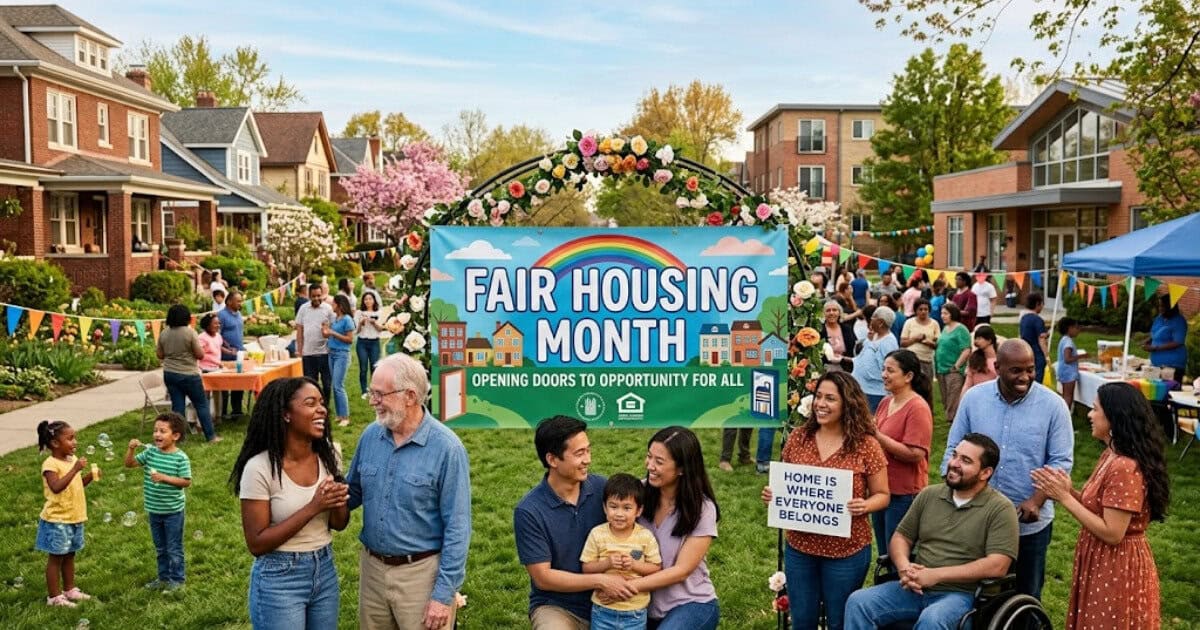
April is National Fair Housing Month. It’s crucial that you take the time to learn exactly how Fair Housing Laws work in Maryland, how they protect you, and how to legally market and sell your home with confidence in 2026.
Fair Housing Laws protect buyers and sellers from discrimination—and if you’re selling a home in Maryland, they directly impact how you market your property. Many homeowners don’t realize that even innocent wording in a listing or showing process can violate federal law.
At Mr. Lister Realty, we help sellers stay compliant, protected, and confident while maximizing their home’s exposure.
👉 Fair Housing Laws are federal and state regulations that prohibit discrimination in housing based on race, color, religion, sex, national origin, disability, and familial status. In Maryland, these protections also extend to additional categories like sexual orientation and gender identity. Sellers must market and sell their homes without bias, using inclusive language and fair practices.
What Are Fair Housing Laws?
The Basics Explained
Fair Housing Laws were created to ensure equal access to housing for everyone. The federal Fair Housing Act (1968) makes it illegal to discriminate in housing-related activities. Fair Housing Laws apply to how you market your property for sale, how you handle showings, and how you decide on which offer to accept. There are many classes that are protected everywhere, and some that are state, and even county, specific.
👉 This means sellers in Maryland must be especially careful to follow both federal and state rules.
Who Is Protected Under Fair Housing Laws?
Federally Protected Classes
You cannot discriminate based on:
- Race
- Color
- Religion
- Sex
- National origin
- Disability Familial status (children under 18)
Maryland Expanded Protections
Maryland law also includes:
- Sexual orientation
- Gender identity
- Marital status
Certain Maryland counties and cities have additional protections, such as age, ancestry, occupation, personal appearance, or creed (e.g., Montgomery County, Prince George’s County, Baltimore City/County).
👉 Bottom line: You cannot choose who buys your home based on personal preference tied to these categories.
How Do Fair Housing Laws Affect Home Sellers in Maryland?
It Impacts How You Market
You must avoid language that suggests preference or exclusion. Your listing description should make your home feel welcoming for everyone.
Example:
- ❌ “Perfect for young couples”
- ❌ “Ideal for Christians”
- ❌ “No kids”
- ✅ “Spacious backyard”
- ✅ “Quiet neighborhood”
- ✅ “Close to parks and schools”
It Impacts Showings and Offers.
You must:
- Show your home to all qualified buyers
- Consider offers fairly
- Avoid steering or favoritism
👉 Even unintentional bias can lead to legal issues.
What Can You NOT Say in a Listing?
Words That Can Get You in Trouble
Avoid:
- References to religion (“near church community”)
- Age preferences (“perfect for retirees”)
- Family structure (“great for families with kids”)
- Gender (“bachelor pad”)
Focus on the Property Instead Stick to:
- Features
- Location benefits
- Upgrades
- Layout
👉 If it describes people, it’s risky. If it describes the home, you’re safe.
How to Market Your Home Fairly and Legally
Use Inclusive, Neutral Language
Describe the home—not the ideal buyer.
Be Consistent With Showings
Offer equal access to all qualified buyers.
Document Your Process
Keep records of:
- Showings
- Offers
- Communications
Work With Professionals Who Know the Law
This is where many sellers slip up—especially when selling on their own.
🏡 What Most Maryland Sellers Don’t Know
Many sellers assume Fair Housing Laws only apply to real estate agents—but they apply to YOU too. Here’s the reality:
- You can’t “pick the buyer you like most” based on personal traits
- You can’t change terms depending on who the buyer is
- Even casual comments during showings can be considered discriminatory
Maryland-Specific Tips
- Maryland follows both federal and state Fair Housing laws—meaning stricter compliance
- Baltimore and surrounding counties actively enforce violations
- Complaints can be filed with:
- HUD (federal)
- Maryland Commission on Civil Rights
Local Insight:
In competitive markets like Harford County or Baltimore County, multiple-offer situations are common. 👉 You must evaluate offers based on terms and qualifications—not personal details about the buyer.
❓ Frequently Asked Questions
How do Fair Housing Laws affect selling a home in Maryland?
They require you to treat all buyers equally, avoid discriminatory language, and evaluate offers fairly based on financial terms—not personal characteristics.
Can I choose any buyer I want?
You can choose the best offer—but not based on protected characteristics like race, religion, or family status.
What happens if I violate Fair Housing Laws?
You could face fines, lawsuits, and legal penalties. Even unintentional violations can lead to serious consequences.
Do Fair Housing Laws apply if I sell without a realtor?
Yes. These laws apply to all sellers, whether you use an agent or sell independently.
Wrapping up
Selling a home in Maryland means more than just finding a buyer—it means doing it the right way. Fair Housing Laws protect everyone involved, and understanding them helps you avoid costly mistakes.
With flexible options we offer at Mr. Lister Realty, you can reduce costs, stay in control, and still get expert support to market and sell your home legally and effectively.