
What It Means (and How to Survive the Summer Ahead)
If you’ve been hearing the phrase “Maryland drought disaster” floating around lately, you’re not alone—and no, it’s not just dramatic headlines.
It’s a real concern… and it could impact everything from your lawn to your wallet this summer.
Let’s break it down in plain English—and more importantly, talk about what you can actually do about it.
️ First—What Is a “Drought Disaster”?
A drought happens when an area gets significantly less rainfall than normal over a long period of time.
In Maryland, that means:
- Lower water levels in reservoirs Dry soil (bad news for landscaping and farming) Increased risk of water restrictions Higher utility costs in some cases
When officials use the term “drought disaster,” they’re signaling that conditions are serious enough to:
- Impact agriculture and local businesses Potentially trigger state or federal assistance Lead to conservation measures (yes… water rules)
🏡 Why This Matters for Homeowners (and Future Buyers/Sellers)
This isn’t just a “farmer problem.” It hits everyday homeowners too:
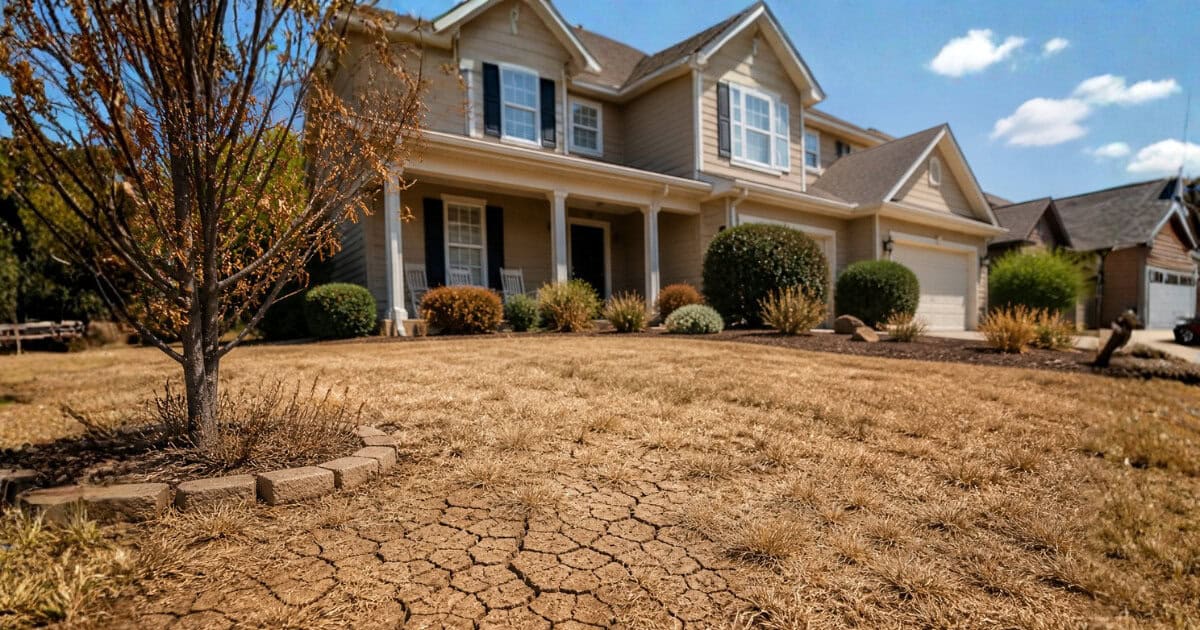
- Brown lawns & landscaping damage Higher water bills if you’re trying to keep things alive Foundation issues (dry soil can shift) HOA frustrations if they still expect green grass 👀
And if you’re thinking about buying or selling:
- Curb appeal can take a hit Inspections may flag drainage or soil concerns Buyers may be more cautious about water access and costs
☀️ How to Prepare for a Dry Summer (Without Losing Your Mind)
Let’s talk strategy—not panic.
1. Be Smart About Watering
- Water early morning or late evening (less evaporation) Focus on roots, not just surface spraying Skip daily watering—deep, less frequent watering is better
👉 Translation: You don’t need to drown your lawn to save it.
2. Upgrade Your Landscaping (Long-Term Win)
Consider:
- Native Maryland plants (they’re built for this) Drought-resistant grass or ground cover Mulch to retain moisture
This isn’t just eco-friendly—it’s budget-friendly over time.
3. Check Your Home for Hidden Issues
Dry conditions can expose:
- Cracks in foundations Shifting soil around your home Drainage problems
Catching these early = way cheaper than fixing them later.
4. Watch for Water Restrictions
Local governments may:
- Limit when you can water Restrict car washing or irrigation Encourage conservation programs
Staying ahead of this avoids fines—and frustration.
5. Think Like a Future Buyer (Even If You’re Not Moving Yet)
This is a big one.
Homes that are:
- Efficient with water Landscaped for sustainability Low maintenance
👉 Are becoming more attractive in markets like ours.
(Yes… even in Maryland.)
💡 A Real Estate Perspective You Won’t Hear Everywhere
Here’s the honest truth:
Environmental factors like drought aren’t going away—they’re becoming part of how people evaluate homes.
And the homeowners who adapt early? They win.
Whether that means:
- Lower monthly costs Easier resale Less maintenance stress
👀 Final Thought
We can’t control the rain (if only), but we can control how prepared we are.
A drought doesn’t have to be a disaster for your home—it just means adjusting how you manage it.
📲 Need Help Navigating This as a Homeowner?
Whether you’re:
- Thinking about selling Curious what your home is worth in this market Or just trying to make smarter decisions with your propertyWe’re here to help—without the pressure (or the full commission 😉).
