
Fall is one of those seasons when your house quietly starts asking for attention. The leaves are
pretty, the temperatures finally feel comfortable again, and meanwhile your gutters are filling up,
the furnace is getting ready to go back to work, and every tiny draft around a window is waiting
for January to make itself known.
A good fall home maintenance checklist doesn’t have to mean spending every weekend
working on the house. A few inspections, some basic cleaning, and a handful of small repairs
can help you head into winter knowing you’ve taken care of the things most likely to cause
trouble later.
Key Takeaways
- Clean gutters, inspect the roof, and make sure water can drain away from the house.
- Get the heating system ready, replace filters, and check for drafts before cold weather settles in.
- Disconnect outdoor hoses, protect exterior plumbing, and take care of vulnerable outdoor areas.
- Test smoke and carbon monoxide alarms and address small repairs before they become bigger projects.
What Should Be on Your Fall Home Maintenance
Checklist?
The best fall checklist focuses on four things: keeping water where it belongs, keeping cold air
outside, making sure your heating system is ready, and catching small problems while they’re
still manageable.
You don’t necessarily need to tackle everything in one Saturday. Walk around the house with
your phone, make a list, take pictures of anything questionable, and work through it a little at a
time.
Start at the Top: Check the Roof and Gutters
Your roof and gutters are your home’s first line of defense against fall rain, winter weather, and
melting snow. You don’t need to climb onto the roof yourself to give the system a basic
inspection.
From the ground, look for:
- Missing, loose, curling, or damaged shingles
- Sagging or damaged gutters
- Downspouts that have pulled away from the house
- Tree limbs touching or hanging over the roof
- Staining or signs of moisture around rooflines and ceilings
Once most of the leaves have fallen, clean the gutters or have them professionally cleaned.
Clogged gutters can keep water from draining properly and send it places you definitely don’t
want it going.
Make sure your downspouts also direct water away from the foundation rather than dumping it
right beside the house.
Get Your Heating System Ready Before You Actually
Need It
Your heating system should get some attention before the first truly cold morning, not after you
turn on the thermostat and discover something isn’t working.
At minimum, check the furnace or HVAC filter and replace it if needed. If your system is due for
professional maintenance, fall is also a logical time to schedule it.
While you’re thinking about heat, walk around the house and pay attention to windows and
exterior doors. Can you feel air coming through? Is weatherstripping missing or worn?
The U.S. Department of Energy recommends sealing air leaks around areas such as doors,
windows, plumbing penetrations, attic openings, and other gaps in the home’s exterior
envelope. Caulking and weatherstripping can be relatively simple fixes that improve comfort and
reduce wasted energy. See the Department of Energy’s home energy checklist.
Here’s the Math on Small Maintenance Jobs
Fall maintenance doesn’t always require a major home-improvement budget.
Imagine you set aside $300 for fall maintenance. You might use part of that budget for a new
HVAC filter, weatherstripping, caulk, gutter cleaning supplies, furnace maintenance, or other
small jobs specific to your house. Prices will vary by home and contractor, but having a
maintenance budget makes it easier to deal with small issues instead of postponing them until
they become urgent.
For homeowners thinking about selling in the next year or two, that can matter even more.
Buyers and home inspectors tend to notice deferred maintenance. Taking care of the little things
along the way can make preparing your house for market much less overwhelming later.
Don’t Forget the Outside Faucets, Hoses, and Plumbing
Before freezing temperatures arrive, disconnect garden hoses and prepare outdoor plumbing for
winter. What you need to do depends on the type of faucets and plumbing your home has.
Start by:
- Disconnecting and draining garden hoses
- Storing hoses somewhere protected from the weather
- Checking exterior faucets for leaks
- Closing interior shutoff valves for exterior faucets when appropriate
- Draining irrigation systems according to the manufacturer’s instructions
- Insulating vulnerable plumbing in unheated areas when needed
If you aren’t sure how your home’s plumbing is configured, this is one of those times when
asking a plumber is better than guessing.
And while you’re outside, put away or secure patio furniture, umbrellas, planters, garden tools,
and anything else that could be damaged by winter weather.
Give the Exterior a Slow Walk-Around
One of the easiest fall maintenance jobs is simply walking around your house and looking
closely at it. You’re looking for changes, especially anything involving water, wood, or openings.
Check:
- Siding and trim for damage or rot
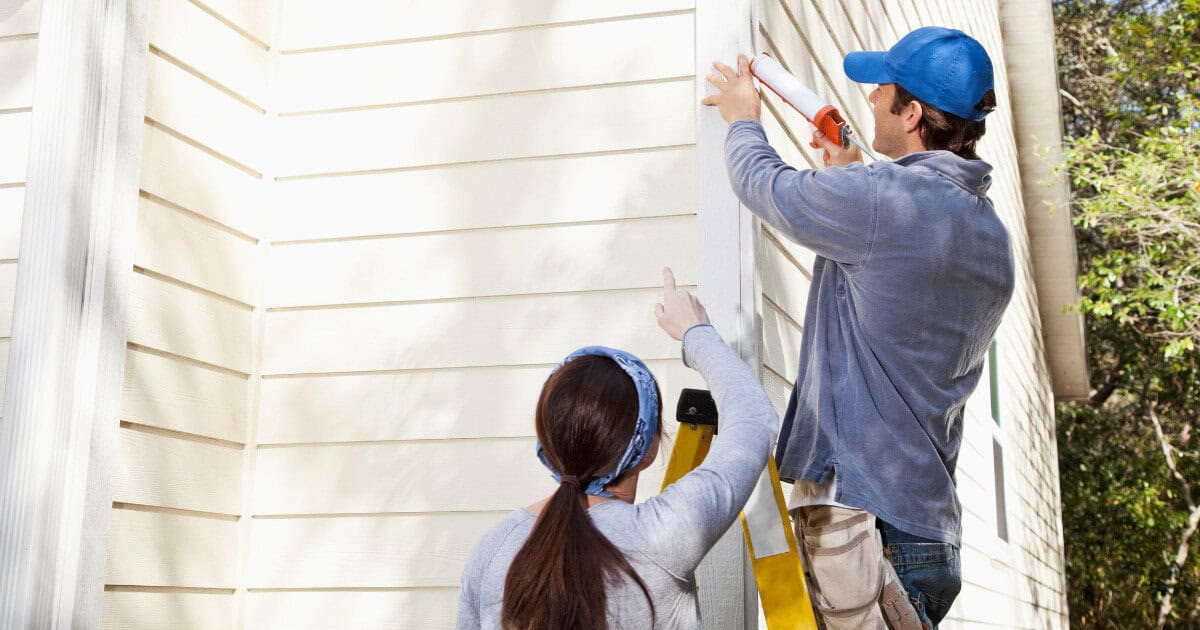
- Caulk around windows and doors
- Foundation walls for new or changing cracks
- Exterior steps and railings for loose areas
- Driveways and walkways for trip hazards
- Decks, porches, and fences for loose boards
- Dryer and exhaust vents for obstructions
Take photos of anything you’re unsure about. If a crack, stain, or damaged area changes over
time, you’ll have something to compare it to rather than relying on memory.
Test Your Smoke and Carbon Monoxide Alarms
Fall is a good reminder to check the safety equipment you hope you’ll never need. Test your
smoke alarms and carbon monoxide alarms according to the manufacturer’s instructions.
The U.S. Fire Administration recommends testing smoke
alarms monthly and replacing smoke alarms when they are 10 years old. It also recommends smoke alarms inside every bedroom,
outside sleeping areas, and on every level of the home. Review the U.S. Fire Administration’s
smoke alarm guidance.
While you’re doing your safety check, take a look at your fire extinguishers too. Make sure
they’re accessible, haven’t expired according to the manufacturer’s guidance, and that everyone
in the home knows where they are.
Should Sellers Do Anything Extra in the Fall?
If you’re considering selling within the next several months, fall is an excellent time to start
dealing with deferred maintenance. You don’t have to renovate the house from top to bottom.
Focus first on things that could make a buyer wonder what else hasn’t been maintained:
- Active leaks or moisture problems
- Loose railings or steps
- Peeling or deteriorating exterior trim
- Damaged gutters or downspouts
- HVAC systems that haven’t been serviced
- Obvious plumbing or electrical problems
- Small repairs you’ve been meaning to get around to for the last three years
Yes, we all have that list.
The trade-off is simple: you can spend some time and money maintaining the house along the
way, or you may end up dealing with several items at once when you’re trying to get ready to
sell.
If selling is on your radar, a home valuation can also help you start thinking about your home’s
current position without committing to putting it on the market.
What Can Wait Until Spring?
Not everything has to happen before winter. Prioritize anything involving safety, water intrusion,
heating, freezing pipes, or active deterioration.
Cosmetic projects can usually move farther down the list. If your choice is between repainting a
perfectly functional bedroom and fixing a gutter that’s overflowing beside the foundation, the
gutter wins.
Fall maintenance is really about protecting the house you already have, not creating a
brand-new one.
Frequently Asked Questions
When should I start fall home maintenance?
Early to mid-fall is a good time to begin because the weather is usually comfortable enough for
exterior work. Some jobs, such as gutter cleaning, may make more sense after most of the
leaves have fallen.
Do I need to have my HVAC system serviced every fall?
Your system’s manufacturer and HVAC professional can tell you the recommended
maintenance schedule for your equipment. At minimum, homeowners should keep up with filter
changes and pay attention to unusual noises, smells, or performance changes.
Should I clean my gutters before or after the leaves fall?
If you have a lot of trees around your house, you may need to clean them more than once.
Otherwise, waiting until most leaves have fallen can prevent you from finishing the job only to
find the gutters full again a week later.
Is fall maintenance important if I’m planning to sell my house?
Yes. Keeping up with routine maintenance can make the eventual preparation for listing easier
and may reduce the number of obvious deferred-maintenance items buyers notice during
showings or inspections.
How much should I budget for fall home maintenance?
There’s no universal number because every home is different. Starting with a few hundred
dollars for routine supplies and minor service needs can be useful, while older homes or
properties with known repairs may require more.
Thinking About Selling? Keep the House, and Your
Equity, in Good Shape
Good home maintenance isn’t particularly exciting, but neither is discovering a preventable
problem in the middle of January.
If selling your home may be part of your plans, keeping up with routine maintenance now can
make that transition easier later. And when you’re ready, you can see Mr. Lister Realty’s selling
plans and choose the level of help that makes sense for you.
No pressure and no one-size-fits-all approach. Take a look at the options, see the reviews, and
decide what’s right for your home.