
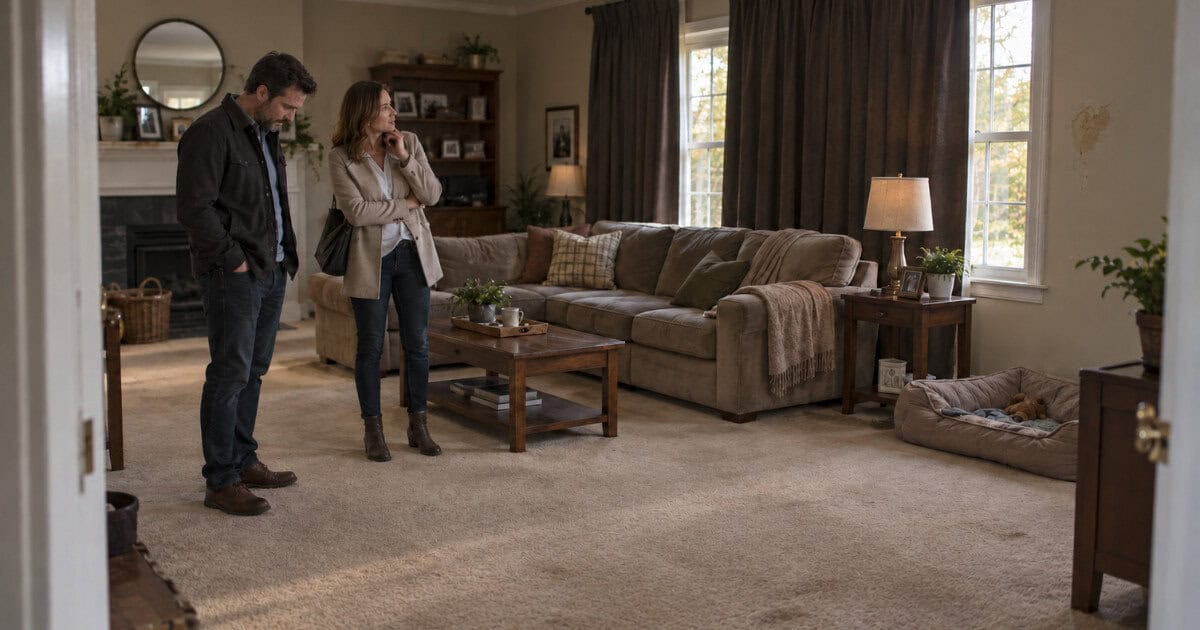
Your home is on the market, and the response isn’t what you expected. Maybe showings are scarce. Or maybe buyers are coming through—but nobody is making an offer.
Naturally, you start wondering: Should we lower the price?
Maybe. But before you knock thousands off your asking price, ask a more useful question: What problem are we actually trying to solve?
Price matters, but so do photos, presentation, and condition. Sometimes addressing a specific buyer concern makes more financial sense than a large price reduction.
Quick Answer: Should I Lower My Home’s Price If It Isn’t
Selling?
Not automatically. If your home isn’t getting showings, evaluate your asking price, listing photos, marketing, and competition. If you’re getting showings but no offers, review buyer feedback for recurring concerns about condition, presentation, or value.
A price reduction may be appropriate, but understanding why buyers are passing helps you decide whether to adjust the price, improve the property, or do both.
No Showings? Start With Price and Photos
Buyers compare your home with everything else available within their budget. A Maryland buyer considering a $475,000 home is also asking, “What else can I get for that money?”
If competing properties offer better condition, more space, or features yours lacks at a similar price, buyers may prioritize those homes. Recent comparable sales matter, but so do the listings competing for attention right now.
Then look at your photos. Your first showing usually happens on a screen. Dark rooms, clutter, awkward angles, or an unappealing lead photo can cause buyers to scroll past.
Does your listing look bright and inviting? Are its best features visible? Are important rooms missing? Good photography should help buyers appreciate the home while accurately
representing what they’ll see in person.
Also check that your listing details are correct and showing appointments are reasonably easy to schedule.
Getting Showings but No Offers? Look for Patterns
Buyers who schedule a showing saw enough potential online to visit. If they consistently leave without making an offer, something about the experience – or the value at your asking price – may be holding them back.
This is where showing feedback becomes useful. We HIGHLY recommend using the ShowingTime add-on service, as it will automatically request feedback from the agents after
they show your property!
One person disliking your paint color is a preference. Several buyers mentioning the same dark room, unpleasant odor, worn carpet, or maintenance concern is a pattern worth investigating.
You don’t need to act on every comment. Focus on repeated objections that you can reasonably address.
Could a Smaller Fix Prevent a Bigger Price Cut?
Suppose buyers repeatedly mention worn carpet, and you’re considering a $10,000 price reduction. Before changing the price, find out what it would cost to address the flooring.
If a targeted improvement costs substantially less and removes a common objection, it may be worth doing. A $1,000 fix could potentially prevent a $10,000 price cut, but that’s a possibility, not a guarantee.
Start with practical improvements: brighten rooms, clean windows, clear countertops, and remove furniture that makes spaces feel cramped. Address the source of odors instead of
covering them with fragrance. Repair small maintenance issues that could make buyers question how well the home has been cared for.
Neutral paint, cleaner landscaping, or a more welcoming entrance may also help. If buyers struggle to understand a room’s layout or purpose, rearranging furniture or selective staging
could improve its presentation.
The goal is to remove meaningful obstacles without taking on unnecessary renovations. Compare the cost, time, and likely benefit before spending.
What If Buyers Object to Something You Can’t Change?
You can declutter a room, but you can’t move the house away from a busy road. Lot size, limited parking, or an unusual floor plan may be difficult or too expensive to change.
When feedback consistently points to those limitations, the asking price may need to account for them.
Presentation improvements help a home show its best, but they can’t make every property competitive at every price.
When Does a Price Reduction Make Sense?
Revisit your price when similar homes are going under contract while yours remains available, buyers repeatedly question its value, or comparable sales don’t support the asking price. Changing competition and unsuccessful presentation improvements can also signal that an adjustment is needed.
There’s no universal waiting period or dollar amount. Consider local market activity, showing feedback, your timeline, and the cost of continuing to own the property.
If you reduce the price, choose a number that meaningfully improves how your home compares with competing listings. A series of small reductions may accomplish little if buyers still see better value elsewhere.
A price reduction is a normal selling strategy. The key is knowing what you expect it to accomplish.
Before You Drop the Price, Diagnose the Problem
Few showings call for a closer look at price, photos, and marketing. Showings without offers call for a closer look at feedback, condition, and value.
Sometimes the right move is a repair. Sometimes it’s better presentation. Sometimes it’s a price adjustment.
Before you lower the number, understand what’s stopping buyers from saying yes.
Selling a Home in Maryland? Know Your Options
Your selling strategy also affects how much equity you keep.
At Mr. Lister Realty, you can choose the level of listing service that fits your needs, whether you want to handle more yourself or get additional support along the way.
Your home. Your equity. Your choice.
Before you list, explore your options with Mr. Lister Realty and see how we can help you make the most of your sale.
